
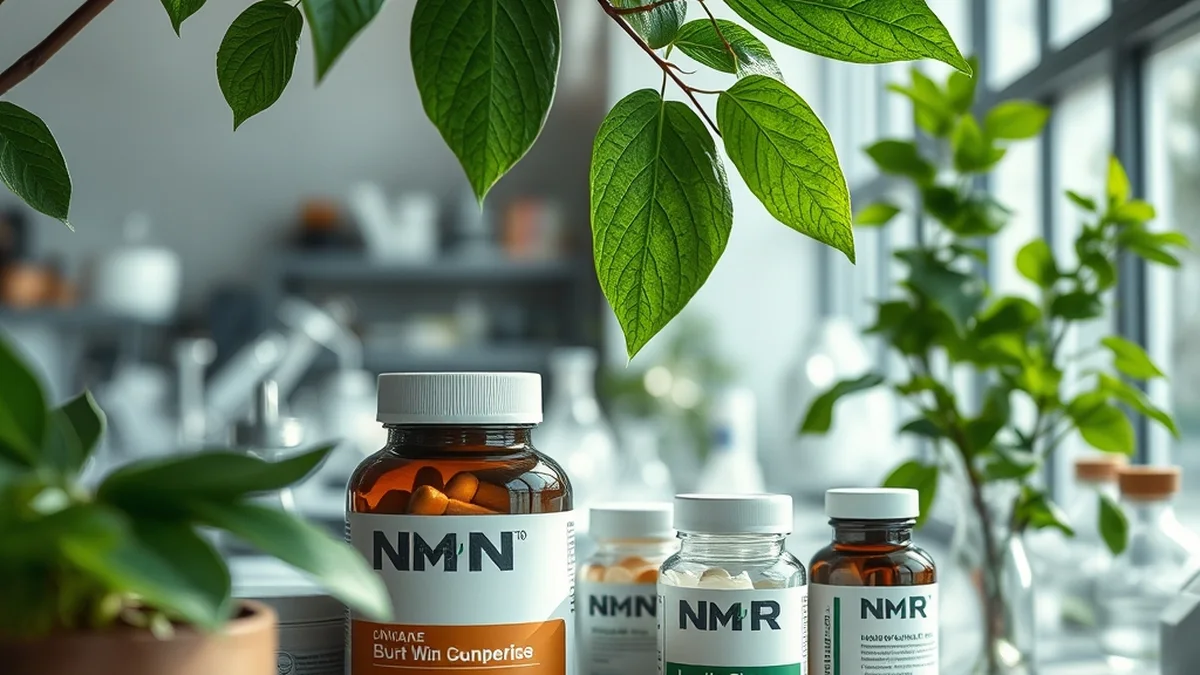
NAD+ Precursors: NMN vs NR and Their Impact on Mitochondrial Health
NAD+ precursors, specifically nicotinamide mononucleotide (NMN) and nicotinamide riboside (NR), are pivotal in enhancing cellular mitochondrial biogenesis, which is essential for maintaining metabolic health and longevity. Both compounds serve as substrates for NAD+ synthesis, influencing energy metabolism, cellular repair, and overall physiological function.
Mechanisms of NAD+ Precursors in Mitochondrial Biogenesis
NAD+ is a crucial coenzyme involved in redox reactions, playing a significant role in energy metabolism within mitochondria. Both NMN and NR are converted into NAD+ through distinct but overlapping pathways. NMN is directly phosphorylated to NAD+, while NR is first converted to nicotinamide before entering the NAD+ biosynthetic pathway. This conversion is vital for mitochondrial biogenesis, a process that involves the replication of mitochondria to meet the energy demands of cells, particularly in muscle and brain tissues.
Research indicates that increased NAD+ levels can activate sirtuins, a family of proteins that regulate cellular health and longevity. Sirtuins, particularly SIRT1, are known to enhance mitochondrial function by promoting the expression of genes involved in mitochondrial biogenesis, such as PGC-1α (peroxisome proliferator-activated receptor gamma coactivator 1-alpha). This activation leads to improved mitochondrial dynamics, including increased mitochondrial mass and enhanced oxidative capacity, ultimately supporting cellular energy homeostasis.
Clinical Evidence: NMN vs. NR
The clinical landscape for NMN and NR has evolved significantly, with numerous studies investigating their effects on human health. A randomized, double-blind, placebo-controlled trial published in 2021 demonstrated that NMN supplementation in older adults improved insulin sensitivity and lipid profiles, suggesting enhanced metabolic health. Participants who received 250 mg of NMN daily for 12 weeks showed a notable increase in NAD+ levels, alongside improvements in markers of metabolic function.
Conversely, NR has also shown promise in clinical settings. A study published in the journal Cell Metabolism in 2016 found that NR supplementation increased NAD+ levels and improved blood lipid profiles in healthy middle-aged and older adults. Participants who consumed 300 mg of NR daily exhibited a 60% increase in NAD+ levels after six weeks, highlighting NR’s efficacy as a NAD+ precursor. Such findings underscore the potential of both NMN and NR in promoting metabolic health, although the specific effects may vary based on individual metabolic states and health conditions.
Bioavailability and Dosing Nuances
Understanding the bioavailability of NMN and NR is crucial for optimizing their therapeutic effects. NMN is often considered less bioavailable than NR due to its larger molecular size, which may limit its absorption in the intestines. However, recent studies suggest that NMN can be effectively absorbed and utilized by cells when administered in appropriate doses. For instance, a study indicated that oral NMN supplementation led to significant increases in plasma NAD+ levels, suggesting effective absorption despite its size.
NR, on the other hand, has demonstrated higher bioavailability in various studies, making it a more accessible option for increasing NAD+ levels. The recommended dosage for NR typically ranges from 250 mg to 500 mg per day, while NMN doses often start around 250 mg and can go up to 1,000 mg depending on individual needs and health goals. It’s essential for individuals considering supplementation to consult healthcare professionals to determine the most suitable dosing strategy based on their unique metabolic profiles and health aspirations.
Integrating NAD+ Precursors into Daily Life
Incorporating NMN or NR into a daily regimen can be a strategic approach to enhance cellular health and longevity. Many users opt for capsules or powders, which can be easily integrated into morning routines. For example, taking NMN or NR with a meal may improve absorption due to the presence of dietary fats, which can facilitate the uptake of these compounds. Additionally, pairing supplementation with a balanced diet rich in antioxidants and polyphenols can further support mitochondrial function and overall health.
Moreover, lifestyle factors such as regular exercise, adequate sleep, and stress management play a crucial role in optimizing the effects of NAD+ precursors. Engaging in aerobic activities has been shown to naturally increase NAD+ levels, complementing the effects of supplementation. Furthermore, practices like intermittent fasting may enhance the body’s ability to utilize NAD+, creating a synergistic effect that promotes mitochondrial health and longevity.
Related Purple Lab Briefings: Explore deeper benchmarks in Zone 2 Aerobic Training vs. VO2 Max: Key Insights for Longevity and Omega-3 EPA and DHA Index: Key to Cardiovascular and Cognitive Health.
Potential Risks and Considerations
While NMN and NR are generally considered safe for most individuals, it is essential to approach supplementation with caution. Some users may experience mild side effects, such as gastrointestinal discomfort or headaches, particularly at higher doses. Moreover, the long-term effects of high-dose supplementation remain largely unknown, necessitating further research to establish safety profiles over extended periods.
Clinical studies have noted that while NMN and NR supplementation can enhance NAD+ levels, individual responses may vary significantly based on genetic, metabolic, and lifestyle factors.
Additionally, individuals with specific health conditions or those taking certain medications should consult healthcare professionals before starting supplementation. Monitoring NAD+ levels and related biomarkers can provide valuable insights into the effectiveness of supplementation and help tailor approaches to individual health needs.
Measuring metabolic and cellular biomarkers over time turns preventive wellness into durable healthspan.