S.F. Fire Officials Warn of Electric Car Risks During Storms
San Francisco fire officials have recently issued warnings regarding electric vehicles (EVs) during stormy weather, emphasizing the potential risks associated with charging and battery management. While EVs offer long-term savings and environmental benefits, understanding their performance constraints during adverse weather is critical for homeowners considering these vehicles. This article explores the economic implications, grid compatibility, insurance incentives, and essential questions to ask installers.
Evaluating Upfront Costs vs. Lifetime Savings
When considering the purchase of an electric vehicle, understanding the total cost of ownership (TCO) is essential. The initial price of EVs can be higher than traditional vehicles, often ranging from $30,000 to $60,000, depending on the model and features. However, federal and state incentives can significantly reduce these costs. For instance, the federal tax credit for electric vehicles can be up to $7,500, while certain states offer additional rebates that can further lower upfront expenses.
Beyond the initial purchase price, EVs typically have lower operating costs. According to the U.S. Department of Energy, the average cost to drive an EV is about $0.04 per mile, compared to $0.14 for gasoline vehicles. Over a 10-year lifespan, this can translate to savings of approximately $5,000 to $10,000 in fuel costs alone. Additionally, maintenance costs are generally lower for EVs, as they have fewer moving parts and do not require oil changes.
| Cost Category | Gasoline Vehicle | Electric Vehicle |
|---|---|---|
| Initial Purchase Price | $30,000 – $60,000 | $30,000 – $60,000 (after incentives) |
| Fuel Cost (10 years) | $14,000 | $5,000 |
| Maintenance Cost (10 years) | $3,000 | $1,500 |
| Total Cost of Ownership | $47,000 | $36,500 |
Storm Preparedness and Battery Management
Electric vehicles rely on lithium-ion batteries that can be sensitive to extreme weather conditions. During storms, the risk of flooding and power outages can pose challenges for EV owners. Fire officials have raised concerns about charging EVs during heavy rain or flooding, as water exposure can lead to short circuits and potential fires. It’s essential for EV owners to monitor local weather conditions and avoid charging when severe storms are forecasted.
Moreover, battery performance can degrade in extreme temperatures. Cold weather can reduce battery efficiency, leading to decreased range. For instance, an EV that typically offers a range of 250 miles may only achieve 200 miles in freezing conditions. Homeowners should consider installing a home charging station with smart technology that can manage charging schedules based on weather forecasts, ensuring safety and optimal battery health.
Understanding Insurance Incentives for EV Owners
Insurance for electric vehicles can differ significantly from traditional vehicles, often reflecting the higher repair costs associated with EV technology. However, many insurance companies offer discounts for EV owners, recognizing the lower risk of accidents and the environmental benefits of driving electric. For instance, some insurers provide telematics-based discounts, where safe driving habits are rewarded with lower premiums. Homeowners should explore these options to maximize savings.
Additionally, some states offer insurance incentives for electric vehicle owners. For example, California provides discounts on registration fees for EVs and offers specific insurance programs aimed at promoting electric vehicle adoption. Homeowners should consult with their insurance providers to understand available discounts and ensure they are receiving the best rates possible.
It’s also worth considering that installing home charging stations may qualify for additional insurance discounts. Homeowners can inquire about policies that cover charging equipment and any potential savings associated with energy-efficient home upgrades.
Telematics Auto Insurance: Balancing Discounts and Data Privacy Concerns
Evaluating Grid Compatibility and Energy Sources
As electric vehicles become more prevalent, the demand for electricity will increase, raising questions about grid compatibility and energy sources. Homeowners should assess whether their local grid can handle the additional load from multiple EVs charging simultaneously. In areas prone to outages, investing in a home battery storage system may provide a backup power source during storms, ensuring that EVs remain charged even when the grid is down.
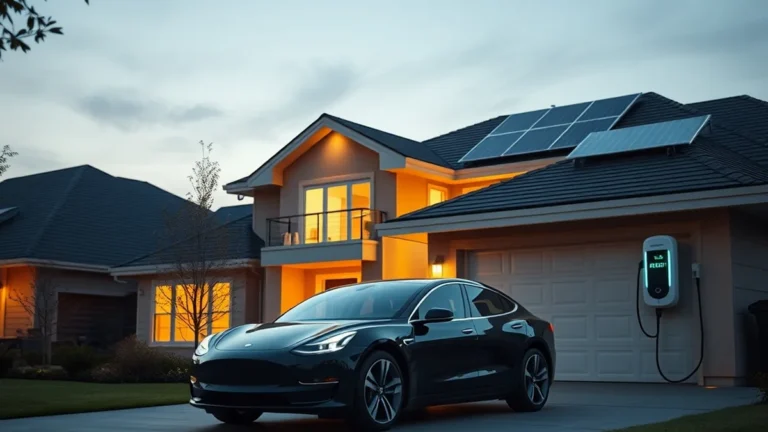
Moreover, the source of electricity used to charge EVs is crucial for maximizing environmental benefits. Homeowners should consider solar panel installations to power their EVs sustainably. Solar energy can significantly reduce electricity costs, and with the right setup, homeowners can charge their vehicles during the day while taking advantage of net metering programs. This not only lowers energy bills but also contributes to a greener energy grid.
| Energy Source | Cost per kWh | Environmental Impact |
|---|---|---|
| Grid Electricity | $0.12 | Varies by source (coal, natural gas, renewables) |
| Solar Power | $0.06 | Low (renewable) |
Solar Microinverters vs String Inverters: Shade Tolerance Explained
Essential Questions for EV Installers
When considering the installation of a home charging station, homeowners should ask potential installers specific questions to ensure a successful setup. First, inquire about the type of charging station recommended for your EV model. Level 2 chargers are typically the best option for home use, providing faster charging times compared to standard Level 1 chargers.
Next, ask about the installation process and any necessary electrical upgrades. Some homes may require a panel upgrade to support the additional load from a charging station. Additionally, inquire about warranties and service agreements, as these can provide peace of mind regarding future maintenance and repairs.
- What type of charger is compatible with my vehicle?
- Will my electrical panel need an upgrade?
- What warranties do you offer on the installation?
- How do you ensure safety during installation?
- What are the estimated costs for installation and any necessary upgrades?
Pairing lifecycle cost math with federal efficiency incentives unlocks measurable long-term household savings.