
Maximizing Energy Efficiency: Cold-Climate Heat Pump Retrofits & Tax Credits
Cold-climate heat pump HVAC retrofits can significantly enhance energy efficiency and comfort in homes, particularly in regions with harsh winters. With federal Section 25C Energy Tax Credits available, homeowners can offset installation costs, improving upfront versus lifetime payback. However, understanding performance constraints and eligibility is crucial for maximizing benefits.
Evaluating the Economics of Cold-Climate Heat Pumps
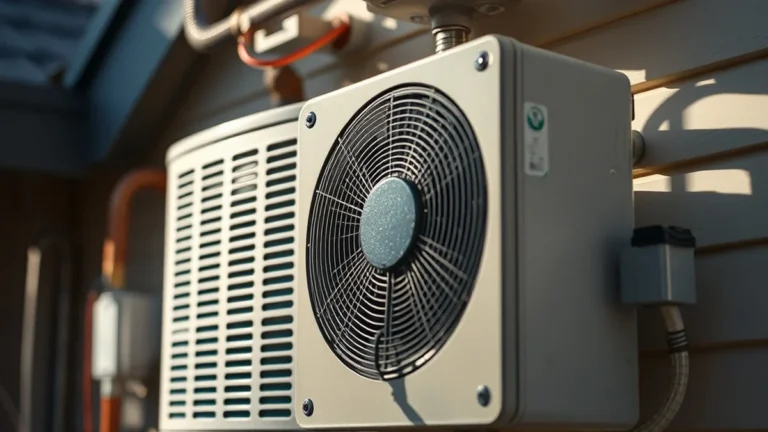
Cold-climate heat pumps (CCHPs) are designed to operate efficiently in low-temperature environments, making them an excellent choice for homeowners in northern regions. The initial investment for a CCHP system typically ranges from $5,000 to $15,000, depending on the size of the home and the complexity of the installation. While this upfront cost may seem daunting, the long-term savings can be substantial. Homeowners can expect to save between 30% to 50% on their heating bills compared to traditional fossil fuel systems.
To illustrate the financial benefits, consider a typical home that spends $2,000 annually on heating. By switching to a CCHP, the homeowner could save $600 to $1,000 each year. Over a 10-year period, these savings can accumulate to $6,000 to $10,000, effectively offsetting the initial investment. When factoring in the federal tax credit of up to 30% of the installation cost, the net cost becomes even more manageable, enhancing the return on investment (ROI) for homeowners.
Climate and Grid Compatibility: Making the Right Choice
When retrofitting to a CCHP, it’s essential to assess the local climate and grid conditions. CCHPs are most effective in regions where winter temperatures do not consistently drop below -5°F to -15°F. In these climates, CCHPs can maintain efficiency and provide adequate heating. However, in areas with extreme cold, supplemental heating sources may be necessary, which can affect overall energy savings.
Additionally, homeowners should consider their local electricity grid’s reliability and pricing. In regions with high electricity costs or frequent outages, the benefits of a CCHP may diminish. A thorough analysis of local energy rates and potential backup systems, such as natural gas or propane, can help homeowners make informed decisions. For example, a homeowner in a region with high electricity rates might find that a hybrid system, combining a CCHP with a traditional furnace, offers the best balance of efficiency and reliability.
Understanding Federal Section 25C Energy Tax Credits
The federal Section 25C Energy Tax Credit provides significant financial incentives for homeowners who invest in energy-efficient upgrades, including CCHPs. Homeowners can claim a credit of up to 30% of the installation costs, capped at $2,000 for residential energy property. This credit is available for systems installed through December 31, 2032, making now an opportune time for retrofitting.
To qualify for the tax credit, homeowners must ensure that their CCHP meets specific energy efficiency standards set by the Department of Energy (DOE). This includes a minimum heating seasonal performance factor (HSPF) of 8.5 and a minimum energy efficiency ratio (EER) of 12.0. Homeowners should retain all receipts and documentation related to the purchase and installation of the system to facilitate the tax credit application process. Consulting with a tax professional can also help ensure compliance and maximize benefits.
Key Questions for Your Installer: Ensuring Quality and Compliance
Choosing the right installer is critical to the success of a CCHP retrofit. Homeowners should vet potential contractors by asking specific questions that address both technical expertise and compliance with federal standards. Key questions include:
- What experience do you have with cold-climate heat pumps?
- Can you provide references from previous clients?
- Are you familiar with the federal Section 25C Energy Tax Credit and its requirements?
- What warranties do you offer on the equipment and installation?
- How do you plan to assess the heating load of my home?
A qualified installer will not only provide a detailed plan for the retrofit but also ensure that the system is sized correctly for the home’s heating needs. This is crucial for maximizing efficiency and ensuring that the system operates effectively throughout its lifespan. Additionally, a reputable installer will be aware of local incentives and can guide homeowners through the application process for federal credits.
Related Purple Lab Briefings: Explore deeper benchmarks in Maintenance Costs of Conventional vs Plug-In Hybrids Over 10 Years and LFP vs NMC: Which EV Battery Chemistry Lasts 300,000 Miles?.
Comparing CCHPs with Traditional Heating Systems
When considering a CCHP retrofit, it’s important to compare its performance and costs with traditional heating systems. Below is a comparison table that highlights key specifications and costs associated with CCHPs versus traditional systems:
| System Type | Initial Cost | Annual Heating Cost | Efficiency Rating (HSPF) | Tax Credit Eligibility |
|---|---|---|---|---|
| Cold-Climate Heat Pump | $5,000 – $15,000 | $1,000 – $1,400 | 8.5+ | Yes |
| Natural Gas Furnace | $3,000 – $7,000 | $1,500 – $2,000 | 80% – 98% | No |
| Electric Resistance Heating | $2,000 – $5,000 | $1,800 – $2,500 | 100% | No |
As illustrated, while the initial cost of a CCHP may be higher than traditional systems, the long-term savings and tax credits can make it a more economical choice over time. The efficiency ratings also indicate that CCHPs can provide superior performance, particularly in colder climates where traditional systems may struggle.
Pairing lifecycle cost math with federal efficiency incentives unlocks measurable long-term household savings.