Induction Range Efficiency vs Gas Stoves: A Comprehensive Comparison
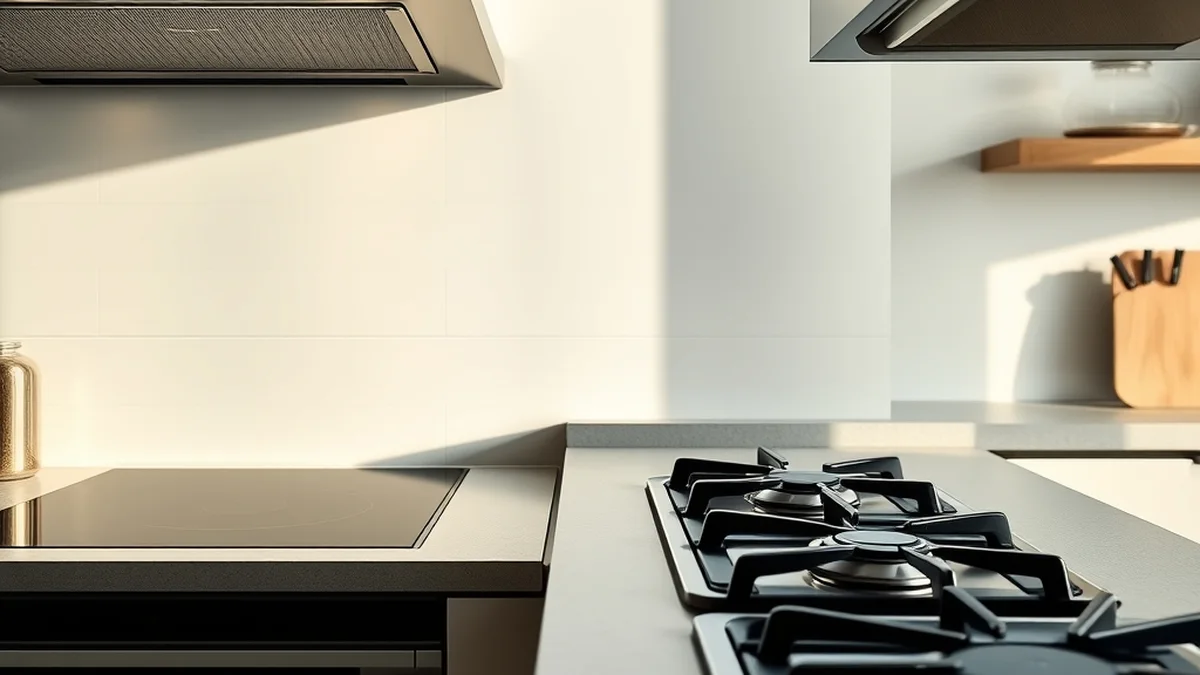
When comparing induction ranges to gas stoves, induction technology offers superior energy efficiency, faster cooking times, and improved indoor air quality. While the upfront costs of induction may be higher, the long-term savings on energy bills and potential tax incentives can make it a more economical choice over time.
Energy Efficiency: Induction vs. Gas
Induction cooktops operate by using electromagnetic fields to directly heat pots and pans, resulting in energy efficiency ratings of around 85-90%. In contrast, gas stoves typically achieve only 40-55% efficiency due to heat loss into the surrounding air. This means that for every dollar spent on energy, induction cooking delivers significantly more usable heat to the food compared to gas. For example, a household that cooks frequently may save between $100 and $200 annually on energy costs by switching to induction.
Moreover, the efficiency of induction ranges translates into less strain on the electrical grid. With the increasing push for electrification in homes, induction cooking aligns well with energy conservation goals. As more households transition to electric appliances, the cumulative reduction in gas consumption can lead to lower greenhouse gas emissions, making induction a more sustainable choice in the long run.
Cooking Speed: Performance Metrics
Induction cooking is not only efficient but also remarkably fast. Studies show that induction cooktops can boil water in approximately 3-4 minutes, while gas stoves take about 7-8 minutes. This rapid heating capability can significantly reduce overall cooking times, especially for busy households. For instance, a family that cooks dinner five nights a week could save up to an hour a week, equating to over 50 hours a year—time that could be better spent elsewhere.
Additionally, induction ranges provide precise temperature control, allowing for quick adjustments that can enhance cooking results. This level of control is particularly beneficial for tasks like simmering sauces or melting chocolate, where maintaining a consistent temperature is crucial. In contrast, gas stoves can have uneven heat distribution, leading to potential cooking mishaps. The combination of speed and precision makes induction a compelling option for both amateur cooks and culinary enthusiasts.
Indoor Air Quality: Health Implications
One of the most significant advantages of induction cooking is its positive impact on indoor air quality. Gas stoves emit nitrogen dioxide (NO2), carbon monoxide (CO), and other pollutants that can contribute to respiratory issues and exacerbate allergies. According to the EPA, cooking with gas can lead to indoor pollution levels that exceed outdoor levels in urban areas. In contrast, induction cooktops produce no combustion byproducts, resulting in cleaner air and a healthier home environment.
Research indicates that homes with gas stoves can have indoor NO2 levels that are 50% higher than recommended limits. For families with children or individuals with pre-existing health conditions, the switch to induction can be a proactive measure to improve indoor air quality. Furthermore, the absence of open flames reduces the risk of kitchen fires, adding another layer of safety to the induction cooking experience.
Incentives and Cost Considerations
The initial investment for induction ranges can be higher, typically ranging from $1,000 to $3,000, compared to gas stoves, which can start as low as $500. However, various federal and state incentives can significantly offset these costs. For example, the federal government offers tax credits for energy-efficient appliances, which can amount to 10-30% of the purchase price. Additionally, some utility companies provide rebates for customers who switch to induction cooking, further enhancing the financial appeal.
When considering the total cost of ownership, it’s essential to factor in not just the purchase price but also the long-term savings on energy bills and potential health benefits. A well-calibrated ROI analysis might look like this:
| Cost Category | Gas Stove | Induction Range |
|---|---|---|
| Initial Cost | $500 – $1,500 | $1,000 – $3,000 |
| Annual Energy Costs | $200 – $300 | $100 – $200 |
| Potential Incentives | $0 | Up to $900 |
| Health Impact | Negative | Positive |
Related Purple Lab Briefings: Explore deeper benchmarks in Solar Microinverters vs String Inverters: Shade Tolerance Explained and Maintenance Costs of Conventional vs Plug-In Hybrids Over 10 Years.
Installer Audit: Key Questions to Ask
When considering the installation of an induction range, it’s crucial to engage with a qualified installer who understands the nuances of electric cooking systems. Here are some essential questions to ask during the consultation:
- What is the electrical capacity of my home? Ensure that your electrical system can handle the load of an induction range, which typically requires a dedicated circuit.
- Are there any special requirements for ventilation? While induction ranges produce less heat and no combustion gases, proper ventilation is still important for overall kitchen air quality.
- What is the warranty and service policy? Understanding the warranty terms can save you money on repairs and replacements in the long run.
- Can you provide references from previous installations? A reputable installer should have a portfolio of successful installations and satisfied customers.
By asking these questions, you can ensure that your induction range installation is seamless and meets your household’s cooking needs effectively.
Pairing lifecycle cost math with federal efficiency incentives unlocks measurable long-term household savings.