
Maintenance Costs of Conventional vs Plug-In Hybrids Over 10 Years
When evaluating the maintenance costs of conventional hybrids versus plug-in hybrids over a decade, the upfront investment and lifetime payback differ significantly. While plug-in hybrids typically offer higher initial costs, they can yield substantial savings through incentives and reduced fuel expenses, contingent on driving habits and local grid compatibility.
Maintenance Cost Breakdown for Conventional Hybrids
Conventional hybrids, which rely primarily on a gasoline engine supplemented by an electric motor, generally incur lower maintenance costs compared to traditional vehicles. Over a 10-year period, maintenance costs for conventional hybrids average around $4,000 to $5,000. Key factors influencing these costs include:
- Battery Longevity: Hybrid batteries are designed to last, often exceeding 150,000 miles. Replacement costs can be substantial, averaging $2,000 to $3,000 if needed.
- Oil Changes: Hybrids typically require less frequent oil changes due to their efficient engines, averaging every 7,500 miles, which can save approximately $300 over ten years.
- Brake Wear: Regenerative braking systems reduce wear on brake pads, leading to lower replacement costs—estimated savings of $500 to $800 over a decade.
In summary, while conventional hybrids offer lower maintenance costs, potential battery replacement can significantly impact total expenses if it occurs within the vehicle’s lifespan.
Analyzing Plug-In Hybrid Maintenance Costs
Plug-in hybrids (PHEVs) present a different financial landscape. With an average maintenance cost of $5,000 to $7,000 over ten years, PHEVs can be more expensive to maintain due to their dual powertrains. Key considerations include:
- Battery Replacement: PHEV batteries are larger and more complex, with replacement costs ranging from $3,000 to $5,000, depending on the model.
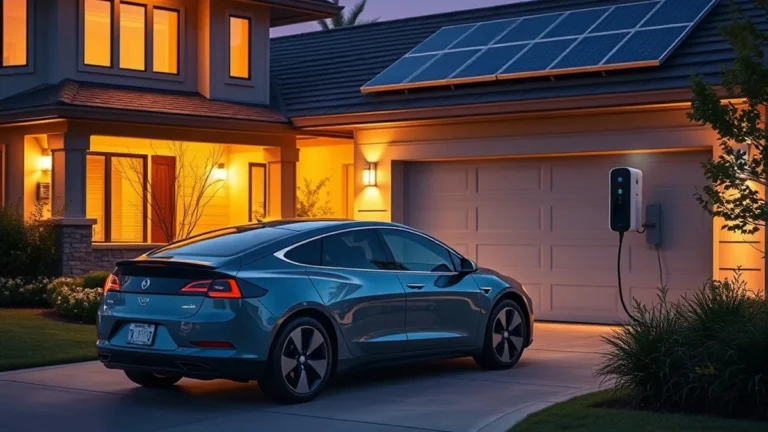
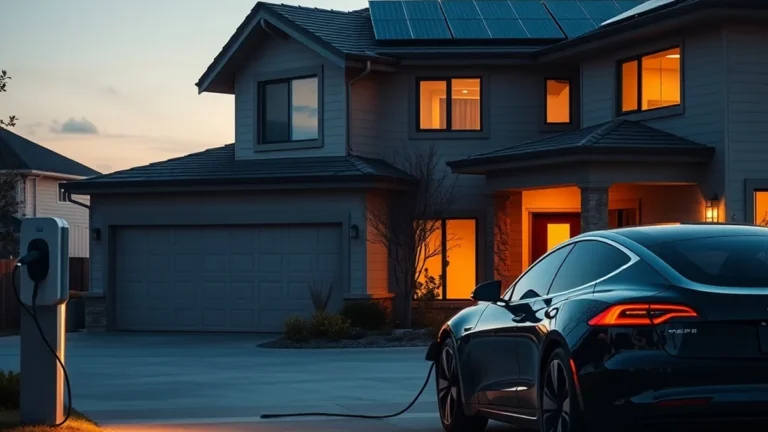
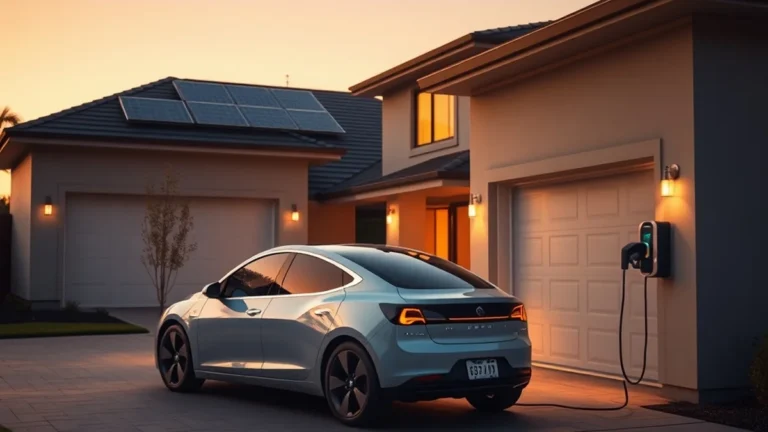
- Charging Infrastructure: Installation of a home charging station can add $1,000 to $2,000, though many states offer rebates that can offset this cost.
- Fuel Costs: PHEVs can significantly reduce gasoline expenses, especially for drivers who can charge regularly. Over ten years, savings can reach $2,000 to $4,000 depending on usage patterns.
Despite higher maintenance costs, PHEVs can provide savings through reduced fuel consumption and potential tax incentives, making them attractive for eco-conscious consumers.
Climate and Grid Compatibility Considerations
When selecting between conventional hybrids and plug-in hybrids, understanding your local climate and grid compatibility is crucial. Factors to consider include:
- Charging Availability: In urban areas with robust charging infrastructure, PHEVs can be more advantageous. Rural areas may limit charging options, making conventional hybrids a better choice.
- Renewable Energy Sources: If your local grid is powered by renewable energy, charging a PHEV can yield significant environmental benefits and cost savings through lower electricity rates.
- Climate Impact: In regions with extreme temperatures, battery performance can be affected. PHEVs may experience reduced range in cold weather, impacting overall efficiency.
Evaluating these factors helps determine which hybrid system aligns best with your lifestyle and energy consumption patterns.
Insurance and Tax Incentive Mechanics
Insurance costs and tax incentives play pivotal roles in the total cost of ownership for both conventional and plug-in hybrids. Here’s how they differ:
- Insurance Rates: Typically, PHEVs may have higher insurance premiums due to their higher value and repair costs. Expect to pay $100 to $300 more annually compared to conventional hybrids.
- Federal Tax Credits: PHEVs often qualify for federal tax credits, which can range from $2,500 to $7,500, depending on the battery capacity. Conventional hybrids may not qualify for such incentives.
- State and Local Incentives: Many states offer additional rebates or tax credits for both hybrid types, which can significantly reduce upfront costs. Research local programs to maximize savings.
Understanding these financial mechanisms can enhance your decision-making process, ensuring you capitalize on available savings.
Related Purple Lab Briefings: Explore deeper benchmarks in Bidirectional EV Chargers: Transforming Vehicles Into Home Batteries and Telematics Auto Insurance: Balancing Discounts and Data Privacy Concerns.
Installer Audit Questions for Hybrid Vehicles
Choosing the right installer for your hybrid vehicle maintenance or charging station installation is crucial for long-term satisfaction. Here are essential questions to ask:
- Experience with Hybrid Systems: Inquire about the technician’s experience specifically with hybrid and plug-in hybrid vehicles. Look for certifications or training in hybrid technology.
- Warranty and Service Plans: Ask about warranties on parts and labor, as well as available service plans that cover routine maintenance and unexpected repairs.
- Charging Station Installation: If considering a PHEV, ensure the installer is familiar with local codes and regulations for charging station setups, including electrical work and permits.
- Customer Reviews: Research customer feedback and ratings to gauge the installer’s reliability and quality of service.
Taking the time to vet potential installers can lead to better maintenance outcomes and a more satisfying ownership experience.
| Cost Category | Conventional Hybrid | Plug-In Hybrid |
|---|---|---|
| 10-Year Maintenance Cost | $4,000 – $5,000 | $5,000 – $7,000 |
| Battery Replacement Cost | $2,000 – $3,000 | $3,000 – $5,000 |
| Fuel Savings (10 Years) | $1,000 – $2,000 | $2,000 – $4,000 |
| Insurance Premium Increase | Base Rate | $100 – $300 more |
| Federal Tax Credit | None | $2,500 – $7,500 |
Pairing lifecycle cost math with federal efficiency incentives unlocks measurable long-term household savings.