My Parents Went Full EV: How They Changed My Mind About Electric Cars
Initially skeptical about my parents’ decision to transition to a fully electric vehicle (EV) lifestyle, I discovered that their choice not only minimized their carbon footprint but also proved financially advantageous. With careful consideration of upfront costs, lifetime savings, and available incentives, they showcased the practicality of EVs in everyday life.
Understanding Upfront Costs vs. Lifetime Savings
The upfront costs of electric vehicles can be daunting, often leading to hesitation among potential buyers. For instance, the average price of a new electric vehicle in the U.S. hovered around $66,000 in 2023, compared to approximately $46,000 for a gasoline-powered car. However, this initial investment can be offset by various factors. Over the vehicle’s lifespan, which can exceed 15 years, EV owners can save significantly on fuel and maintenance costs. For example, the U.S. Department of Energy estimates that EV owners can save around $4,600 on fuel alone over the life of the vehicle.
Moreover, maintenance costs for EVs are generally lower due to fewer moving parts and no need for oil changes. A study by the AAA found that EV owners spend about $0.06 per mile on maintenance, compared to $0.10 for traditional vehicles. When calculating total cost of ownership (TCO), it’s crucial to factor in these savings, alongside potential tax credits and rebates. For instance, the federal government offers a tax credit of up to $7,500 for qualifying EV purchases, which can significantly reduce the effective purchase price.
Evaluating Climate and Grid Compatibility
One of the primary concerns regarding EV adoption is the compatibility of electric vehicles with local climates and grid infrastructures. In regions with extreme temperatures, battery performance can be affected. For example, cold weather can reduce battery efficiency by up to 40%, impacting range. However, advancements in battery technology, such as thermal management systems, have mitigated these issues, allowing for better performance across various climates.
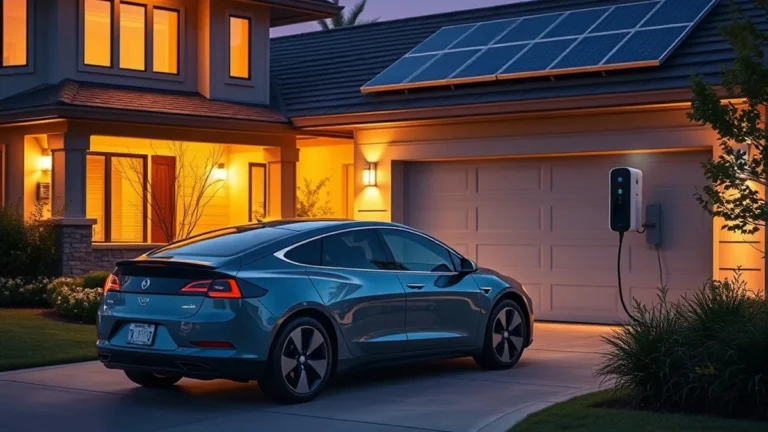
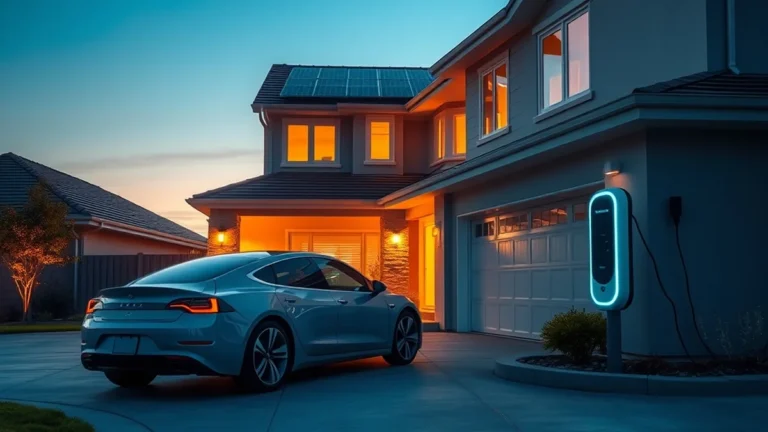
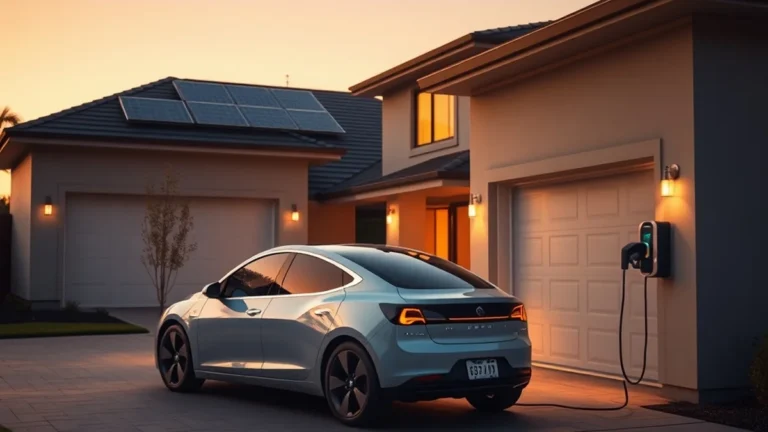
Additionally, the reliability of the local electric grid plays a significant role in the feasibility of EV ownership. Areas with robust grid infrastructure can accommodate increased demand from EV charging without significant strain. For instance, California has implemented extensive charging networks and renewable energy sources to support its growing EV market. Homeowners can also consider installing solar panels and battery storage systems to further enhance their energy independence and reduce reliance on the grid. This synergy between solar energy and EVs can lead to substantial savings, particularly when utilizing bidirectional EV chargers that allow vehicles to act as backup power sources for homes.
Insurance and Tax Incentive Mechanics
Understanding the insurance implications of owning an EV is crucial for prospective buyers. While insurance rates for electric vehicles can be higher due to their higher repair costs and specialized parts, many insurers are beginning to offer discounts for EV owners. For instance, some companies provide reduced premiums for drivers who install home charging stations or utilize smart driving technologies. Additionally, EV owners may qualify for various state and local incentives, further enhancing the financial appeal of electric vehicle ownership.
Tax incentives also play a significant role in reducing the overall cost of ownership. Beyond the federal tax credit, many states offer additional rebates and tax breaks for EV purchases. For example, California provides a rebate of up to $2,000 for eligible electric vehicle buyers. These incentives can significantly lower the effective purchase price, making EVs more accessible to a broader range of consumers. It’s essential for buyers to research available incentives in their area, as these can vary widely and change frequently.
Installer Audit Questions for Home Charging Stations
When considering the installation of a home charging station, it’s vital to ask the right questions to ensure a smooth and efficient process. First, inquire about the installer’s experience with EV charging systems. A qualified installer should have a solid understanding of local codes and regulations, as well as experience with various charging station models. Additionally, ask about the types of charging stations they recommend based on your specific vehicle and home electrical system.
Another important question is regarding the installation timeline and any potential disruptions. A reputable installer should provide a clear timeline for the installation process and explain any necessary electrical upgrades. It’s also wise to ask about warranties and post-installation support. Many charging stations come with warranties that cover parts and labor, providing peace of mind for homeowners. Lastly, consider inquiring about the potential for future upgrades, such as adding solar energy integration or smart home connectivity features, which can enhance the functionality of your charging station.
Related Purple Lab Briefings: Explore deeper benchmarks in Maintenance Costs of Conventional vs Plug-In Hybrids Over 10 Years.
Comparative Analysis of EV Models and Their Costs
When evaluating different electric vehicle models, it’s essential to consider their specifications, costs, and overall value. Below is a comparative table showcasing some popular EV models, their upfront costs, estimated lifetime savings, and key specifications:
| Model | Upfront Cost | Estimated Lifetime Savings | Range (Miles) | Charging Time (Home) |
|---|---|---|---|---|
| Tesla Model 3 | $40,000 | $10,000 | 358 | 8-10 hours |
| Ford Mustang Mach-E | $43,000 | $9,000 | 300 | 8-10 hours |
| Chevrolet Bolt EV | $32,000 | $8,000 | 259 | 7-9 hours |
This table illustrates that while upfront costs can vary significantly, the long-term savings and performance of each model should be carefully weighed. For instance, the Tesla Model 3, while more expensive initially, offers superior range and savings, making it a compelling choice for many buyers.
Pairing lifecycle cost math with federal efficiency incentives unlocks measurable long-term household savings.