Ultra-Wideband Smart Tracker Tags vs. Anti-Stalking Alerts: A Deep Dive
Ultra-wideband (UWB) smart tracker tags offer precise location tracking and enhanced privacy features, addressing concerns about personal safety and asset management. However, limitations such as battery life and reliance on compatible devices persist. Users, particularly those in urban areas or with high-value assets, stand to benefit significantly from this technology.
Understanding Ultra-Wideband Technology
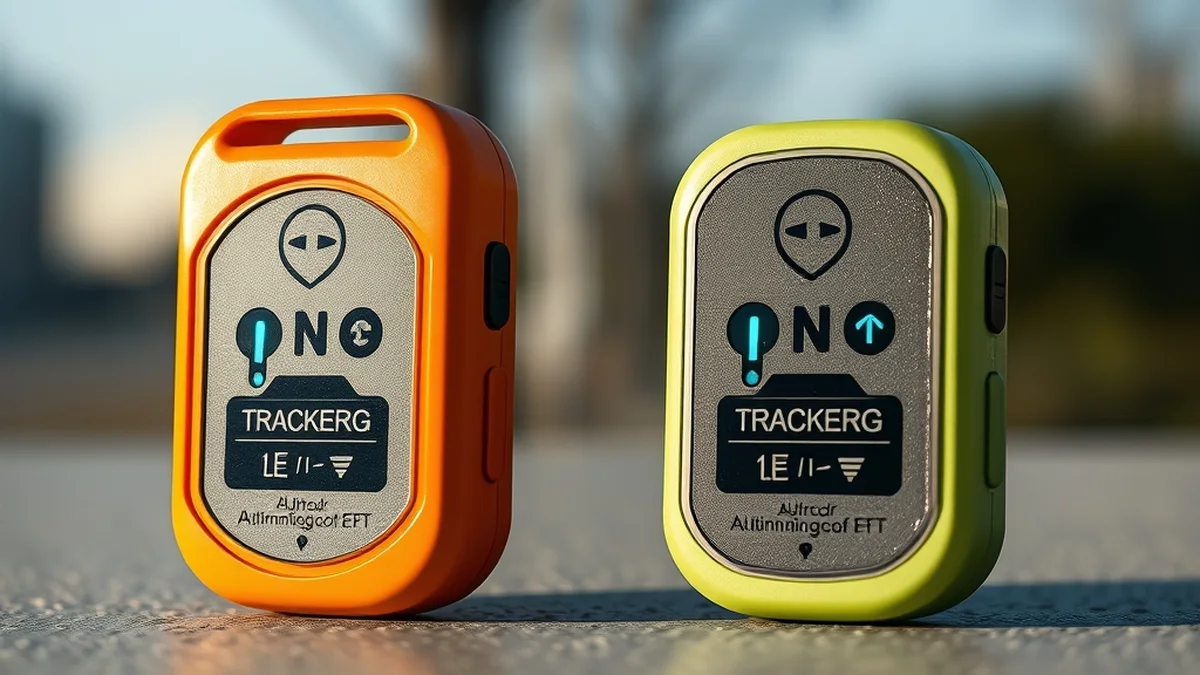
Ultra-wideband technology operates by transmitting data over a wide frequency range, enabling high-resolution location tracking. Unlike traditional Bluetooth or GPS systems, UWB can determine the distance between devices with remarkable accuracy—often within centimeters. This precision is achieved through time-of-flight measurements, where the time taken for a radio signal to travel between devices is calculated. For example, Apple’s AirTag utilizes UWB to facilitate precise tracking through its Find My network, allowing users to locate misplaced items with a high degree of accuracy.
The architecture of UWB systems typically includes a UWB chip, an antenna, and a power source, all of which work together to send and receive signals. This technology is particularly beneficial in environments where GPS signals may be weak or obstructed, such as indoors or in urban canyons. However, the effectiveness of UWB is contingent upon the availability of compatible devices, which can limit its adoption in certain demographics.
Latency and Privacy Trade-offs in Real-World Applications
While UWB technology offers impressive tracking capabilities, it also introduces latency and privacy considerations. The latency in UWB systems is generally low, often measured in milliseconds, which is advantageous for real-time applications like asset tracking. However, this speed can be compromised in environments with significant interference or when multiple devices are in close proximity. For instance, in a crowded urban setting, the presence of numerous UWB devices can lead to signal congestion, resulting in delayed updates on the location of tracked items.
Privacy is another critical aspect of UWB technology. The introduction of cross-platform anti-stalking alerts aims to mitigate concerns about unauthorized tracking. For example, Apple has implemented features in its AirTags that notify users if an unknown tag is traveling with them, thereby enhancing personal safety. However, these alerts depend on the cooperation of various platforms and the willingness of manufacturers to adopt similar privacy measures. As such, the efficacy of these alerts can vary significantly across different devices and ecosystems, leaving some users vulnerable.
Economic Considerations: Hardware vs. Cloud Solutions
The deployment of UWB tracking solutions involves a complex interplay between hardware costs and cloud-based services. On one hand, the hardware component—comprising UWB chips, antennas, and batteries—represents a significant upfront investment. For instance, the cost of UWB chips has decreased over the past few years, but they still remain more expensive than traditional Bluetooth chips. This cost can be a barrier for manufacturers looking to integrate UWB into their products.
On the other hand, cloud solutions offer scalability and flexibility, allowing for real-time data processing and analytics. However, relying on cloud infrastructure can lead to ongoing operational costs and concerns about data privacy. For example, while cloud-based tracking services can provide extensive data analytics, they also raise questions about who has access to that data and how it is used. A balanced approach that combines efficient hardware with robust privacy-focused cloud services is essential for the successful deployment of UWB tracking solutions.
Deployment Checklist for UWB Tracking Solutions
When considering the implementation of UWB tracking solutions, a comprehensive checklist can help ensure that all critical factors are addressed. First, assess the compatibility of existing devices with UWB technology, as this will determine the feasibility of widespread adoption. Next, evaluate the privacy features of the tracking system to ensure they align with user expectations and regulatory requirements. Additionally, consider the economic implications of integrating UWB hardware versus relying on cloud solutions.
Furthermore, it is essential to establish a robust support system for users, including clear instructions on how to utilize the technology effectively. This might involve creating educational resources or customer support channels to assist users in navigating privacy settings and understanding alerts. Finally, continuous monitoring and updates are crucial to adapt to evolving privacy concerns and technological advancements. Below is a structured checklist to guide the deployment process:
| Checklist Item | Considerations |
|---|---|
| Device Compatibility | Ensure UWB support across target devices. |
| Privacy Features | Implement anti-stalking alerts and user controls. |
| Cost Analysis | Compare hardware costs with cloud service fees. |
| User Support | Provide resources and customer service for users. |
| Monitoring | Regularly update systems to address privacy and tech changes. |
Related Purple Lab Briefings: Explore deeper benchmarks in Gallium Nitride (GaN) Fast-Charging Bricks: Safety and Design Insights and Tandem OLED vs Mini-LED PWM Dimming: Eye Strain Solutions for Deep Work.
Real-World Examples of UWB Implementation
Several companies have begun to implement UWB technology in innovative ways that highlight its potential and limitations. For instance, the automotive industry is leveraging UWB for keyless entry systems, allowing drivers to unlock their vehicles as they approach. This application not only enhances convenience but also improves security by ensuring that the vehicle can only be accessed by authorized users within a specific range.
In the consumer electronics sector, Samsung has integrated UWB into its Galaxy smartphones, enabling precise location tracking for compatible devices. This functionality allows users to find misplaced items with a high degree of accuracy, showcasing the practical benefits of UWB technology. However, these implementations also raise questions about data privacy and security, particularly regarding how location data is stored and shared. As UWB technology continues to evolve, it will be crucial for companies to address these concerns proactively to maintain user trust.
Prioritizing local control, open security standards, and repairable hardware keeps consumer tech working for you.