Maryland Households Can Claim Up to $1,600 in Heat Pump Water Heater Rebates
Maryland households have a unique opportunity to save on energy costs with heat pump water heater rebates of up to $1,600, available until the end of the year. These incentives can significantly reduce upfront costs, while the technology offers a favorable lifetime payback through lower energy bills. However, eligibility and performance depend on specific installation conditions and energy sources.
Understanding Heat Pump Water Heater Economics
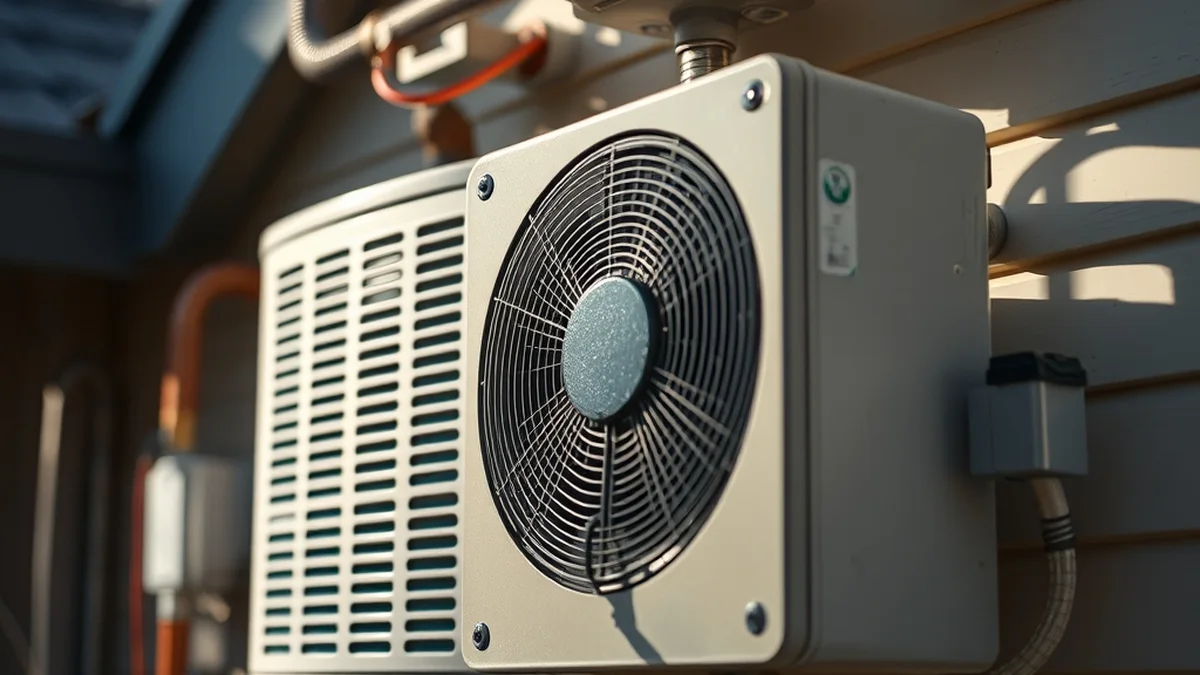
Heat pump water heaters (HPWHs) utilize electricity to transfer heat from the air or ground to heat water, making them about three times more efficient than traditional electric water heaters. The average cost of a heat pump water heater ranges from $1,000 to $3,000, excluding installation. With the Maryland rebate, homeowners can effectively reduce this initial investment by up to $1,600, making the upfront cost more manageable.
To evaluate the total cost of ownership, consider the operational savings. HPWHs can save homeowners between $300 to $500 annually on energy bills, depending on local electricity rates and usage patterns. Over a typical lifespan of 10 to 15 years, these savings can accumulate to $3,000 to $7,500, significantly offsetting the initial investment. A simple ROI calculation shows that even without rebates, the payback period for a heat pump water heater can be as short as three years, depending on usage.
Climate and Grid Compatibility for Optimal Performance
Maryland’s climate is generally conducive to the efficient operation of heat pump water heaters, especially during the milder months. However, performance can decline in colder temperatures, particularly in unconditioned spaces. Homeowners should consider the location of installation; placing a HPWH in a heated area can enhance efficiency and performance. For example, a basement or utility room is preferable to an uninsulated garage.
Moreover, the efficiency of heat pump water heaters is closely tied to the local electrical grid’s energy mix. Maryland’s grid is increasingly powered by renewable energy sources, which can further enhance the environmental benefits of switching to a heat pump system. Homeowners should check their utility provider’s energy sources and consider the long-term implications of their energy choices on both costs and sustainability.
Maximizing Incentives: Rebates and Tax Credits
Maryland’s rebate program for heat pump water heaters is designed to encourage energy-efficient upgrades. To qualify for the $1,600 rebate, homeowners must purchase a unit that meets specific efficiency standards and have it installed by a certified professional. It’s crucial to retain all receipts and documentation, as these will be needed to process the rebate application.
In addition to state rebates, federal tax credits may also be available for energy-efficient home improvements, including heat pump water heaters. Homeowners can potentially combine state and federal incentives for even greater savings. For example, the federal tax credit allows for a percentage of the purchase and installation costs to be deducted from federal taxes, further enhancing the financial viability of this upgrade.
Choosing the Right Installer: Key Questions to Ask
Selecting a qualified installer is critical to ensuring the efficiency and longevity of your heat pump water heater. Homeowners should prioritize installers with experience in heat pump technology and verify their credentials, including licenses and insurance. A reliable installer should also provide a detailed estimate that outlines all costs associated with the installation, including any necessary modifications to existing plumbing or electrical systems.
When interviewing potential installers, consider asking the following questions:
- What brands and models do you recommend for my specific needs?
- Can you provide references from previous installations?
- What warranties do you offer on both the unit and installation?
- How do you ensure compliance with local building codes and regulations?
These inquiries will help ensure that you choose an installer who not only meets regulatory standards but also provides quality workmanship, which is essential for maximizing the performance of your heat pump water heater.
Related Purple Lab Briefings: Explore deeper benchmarks in Nano-Ceramic Window Tinting Boosts Comfort and Efficiency in Your Ride and S.F. Fire Officials Warn of Electric Car Risks During Storms.
Evaluating Long-Term Energy Savings and Environmental Impact
Beyond immediate financial incentives, heat pump water heaters contribute to long-term energy savings and reduced environmental impact. By utilizing ambient air or ground heat, these systems consume significantly less energy compared to traditional electric water heaters. This efficiency translates to lower greenhouse gas emissions, particularly when powered by renewable energy sources.
Moreover, as energy prices fluctuate, the operational cost advantages of heat pump water heaters become even more pronounced. For instance, if electricity rates rise, the savings from using a more efficient system can help buffer against increasing utility costs. Homeowners should also consider the potential resale value of their property; energy-efficient upgrades can make homes more attractive to environmentally conscious buyers.
| Feature | Heat Pump Water Heater | Traditional Electric Water Heater |
|---|---|---|
| Initial Cost | $1,000 – $3,000 | $300 – $1,500 |
| Annual Energy Savings | $300 – $500 | N/A |
| Average Lifespan | 10 – 15 years | 8 – 12 years |
| Environmental Impact | Lower emissions | Higher emissions |
Pairing lifecycle cost math with federal efficiency incentives unlocks measurable long-term household savings.