Explore LiFePO4 Solid-State Power Stations for Home Backup Solutions
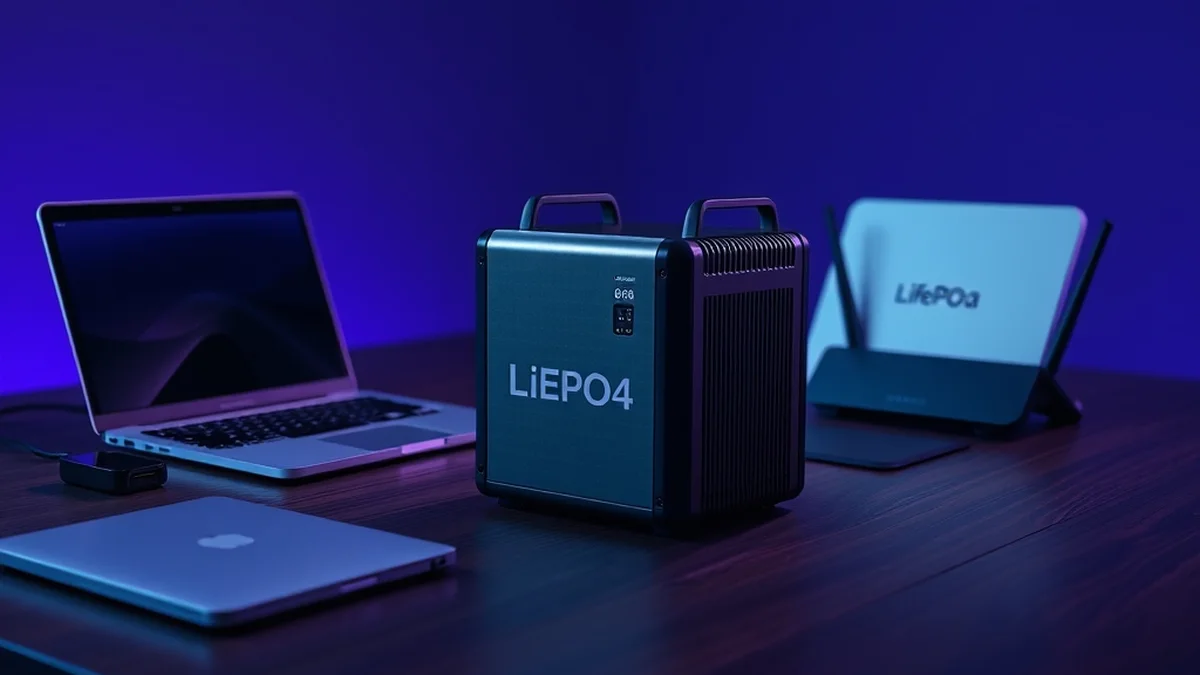
LiFePO4 solid-state portable power stations provide a reliable backup solution for whole-home critical loads during power outages. They address the growing need for energy resilience in households, offering safety and longevity. However, they come with limitations in terms of initial cost and capacity, primarily benefiting homeowners in regions prone to outages or those seeking sustainable energy solutions.
Understanding LiFePO4 Technology and Its Benefits
LiFePO4, or lithium iron phosphate, is a type of lithium-ion battery known for its thermal stability, safety, and long cycle life. Unlike traditional lithium-ion batteries, LiFePO4 batteries have a lower energy density but excel in safety and longevity, making them ideal for applications requiring consistent power output over extended periods. These batteries can last over 2,000 charge cycles, significantly outpacing lead-acid alternatives.
The solid-state design enhances safety by eliminating flammable liquid electrolytes, reducing the risk of thermal runaway. This is particularly important for home applications where safety is paramount. Additionally, LiFePO4 batteries can operate effectively in a wider temperature range, making them suitable for various climates.
However, the initial investment for LiFePO4 solid-state power stations can be substantial, often ranging from $1,000 to $5,000 depending on capacity and features. This upfront cost may deter some consumers, but the long-term savings on energy costs and the potential for grid independence can offset this initial expense.
Real-World Latency and Privacy Considerations
When deploying a LiFePO4 solid-state power station, latency is a critical factor, particularly in applications requiring instantaneous power supply. These systems can switch from grid power to battery backup in milliseconds, ensuring that critical loads remain powered without interruption. This is crucial for sensitive electronics and appliances that may be adversely affected by even brief power interruptions.
From a privacy perspective, many modern power stations come equipped with smart features that allow users to monitor energy consumption and battery status via mobile apps. While convenient, this connectivity raises concerns about data privacy and cybersecurity. Users must ensure that their devices are secured against potential breaches, as unauthorized access could lead to manipulation of power settings or exposure of personal data.
To mitigate these risks, consumers should choose power stations that prioritize robust security protocols, such as end-to-end encryption and regular firmware updates. Additionally, opting for devices that allow local control without mandatory cloud connectivity can enhance privacy and security.
Hardware vs. Cloud Economics in Energy Management
The economics of hardware versus cloud-based solutions for energy management is a critical consideration for consumers. LiFePO4 solid-state power stations typically operate independently of cloud services, providing a more resilient solution in the event of internet outages. This independence can be a significant advantage during emergencies when access to cloud-based systems may be compromised.
However, cloud integration can offer enhanced features such as remote monitoring, predictive analytics, and automated energy management. These features can optimize energy consumption and extend battery life, potentially leading to cost savings over time. The trade-off lies in the reliance on internet connectivity and the associated privacy risks.
Consumers should evaluate their specific needs and consider whether the benefits of cloud integration outweigh the potential risks. For those prioritizing autonomy and security, a standalone LiFePO4 power station may be the better choice. Conversely, tech-savvy users who can manage the associated risks may find value in cloud-connected systems.
Deployment Checklist for Home Backup Systems
Before investing in a LiFePO4 solid-state portable power station, homeowners should follow a comprehensive deployment checklist to ensure optimal performance and safety:
- Assess Energy Needs: Calculate the total wattage of critical appliances and devices to determine the required capacity of the power station.
- Evaluate Installation Location: Choose a location that is well-ventilated and away from direct sunlight or moisture to prolong battery life.
- Check Compatibility: Ensure that the power station is compatible with existing home wiring and appliances, particularly for whole-home backup solutions.
- Consider Additional Accessories: Look into necessary accessories such as transfer switches, solar panels, or additional batteries for expanded capacity.
- Read User Reviews: Research user experiences and expert reviews to identify reliable brands and models that meet your needs.
- Plan for Maintenance: Establish a maintenance schedule to check battery health, update firmware, and ensure all components are functioning correctly.
Related Purple Lab Briefings: Explore deeper benchmarks in Local AI Voice Assistants and Edge NPUs: Smart Home Audio Unplugged and Wi-Fi 7 Tri-Band Mesh Routers vs. Zero-Trust VLANs for Home Networks.
Comparative Analysis of Power Station Features
| Feature | LiFePO4 Solid-State | Traditional Lead-Acid |
|---|---|---|
| Cycle Life | 2000+ cycles | 500-800 cycles |
| Energy Density | Lower | Higher |
| Safety | High (non-flammable) | Moderate (risk of thermal runaway) |
| Cost | Higher initial cost | Lower initial cost |
| Weight | Moderate | Heavy |
LiFePO4 solid-state portable power stations represent a significant advancement in home energy resilience. By understanding the underlying technology, evaluating real-world implications, and following a structured deployment checklist, consumers can make informed decisions that enhance their energy independence and security.
Prioritizing local control, open security standards, and repairable hardware keeps consumer tech working for you.